
As my new book The Renaissance of Giovanna Brown begins its long journey towards publication sometime in the future, I am reminded about how much of myself I put into my fictional stories. Often unintentionally. I think all authors do this to some extent; our themes and ideas come from our life experiences; from our interest and passions. And the more life we have lived, and the more interests we have, and so, our stream of ideas, thoughts and themes for our books is deeper. And this means that we have even more stories to tell. So many stories, so little time!
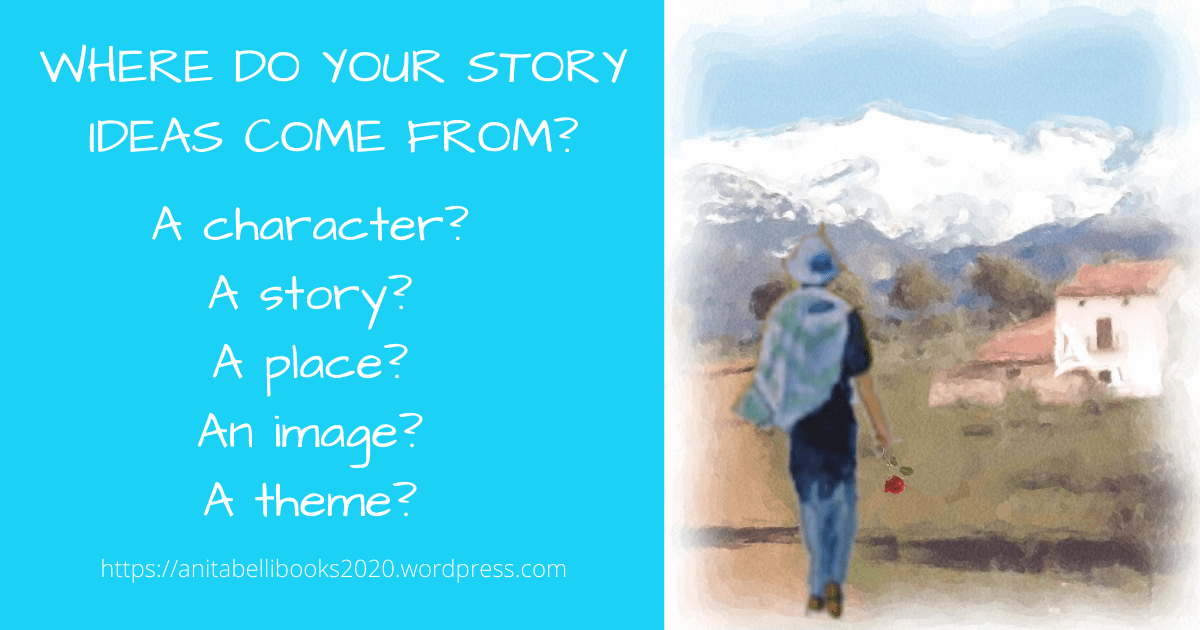
The themes and ideas for my books come from a number of experiences in my life, be it place, theme or character.
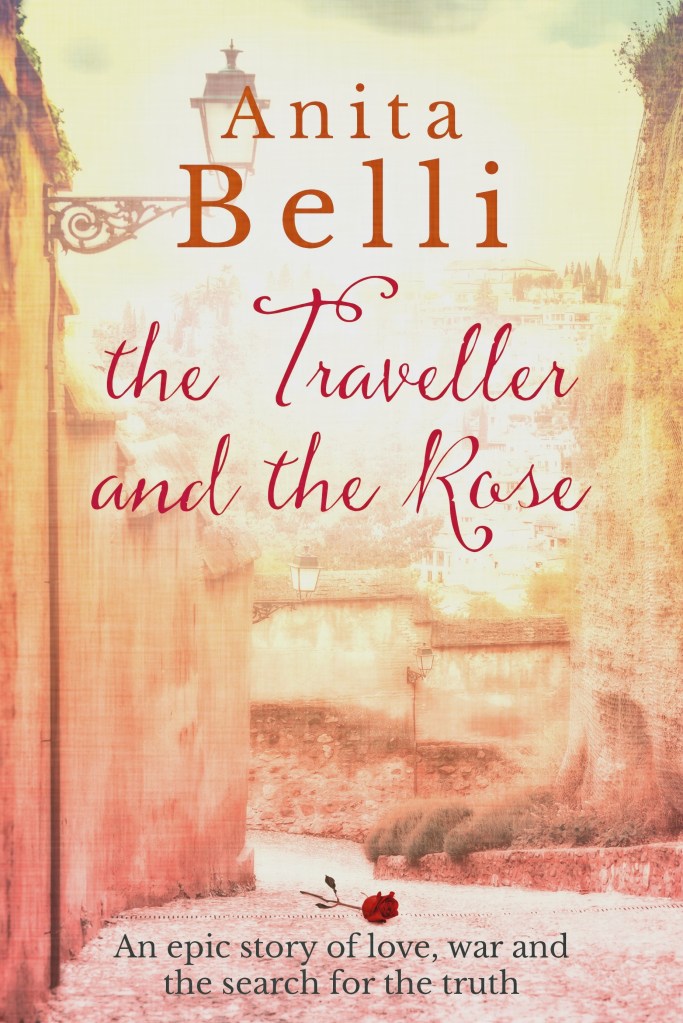
The Traveller and The Rose, for example, was influenced by the time I spent in Andalucia and my neighbour’s reluctance to talk about the Spanish Civil War.
Divas, Dogs and Dreamers is set backstage in a touring musical theatre show,
Once Upon a Blue Moon draws on my younger life in Camden Town and my filmmaking days.
The Art Forger’s Daughter explores my love of Art History and the themes of truth and lies – secrets from the past which haunt the present generation. This is a recurring theme in many of my books.
Ruby Sixpence Whistles up a Storm however, is based on a character – a Wiser Older Woman – or a witch – and kickstarted my love of mystical and spiritual exploration which continues in my latest book.

In , The Renaissance of Giovanna Brown, I draw heavily on family stories of the Italian community in Manchester, and also on my love of art history. There is more of me in this book than any other, although I must emphasise that it is NOT autobiographical. All of the characters and events in my story are imagined. It also differs from my other books in that I have plotted this one from the character out – not from the story in! It has been the hardest book to write and I am grateful to Arts Council England for supporting me through the process with a mentor from The Literary Consultancy. I might not have kept going without this support.
SUMMARY
It is 1972, and Giovanna Brown is vulnerable.
Continue reading “So Many Sequels, So Little Time!”
Rejecting her family’s plans to spend the rest of her life in the café they run in the Italian community of Manchester brings her to art school in London, where her eyes are opened. Unfortunately, her childhood imaginary friend Perdita has come along for the ride and encourages her to sample all the delights that the 1970s London art scene has to offer. But her new life comes crashing down, and only a road trip where she meets a witch, a nun and a priest can free Giovanna from the constraints of the mundane future planned for her by her family. Is this a bad joke, or a glimpse of a more positive future for Giovanna?












 Anita Belli Books